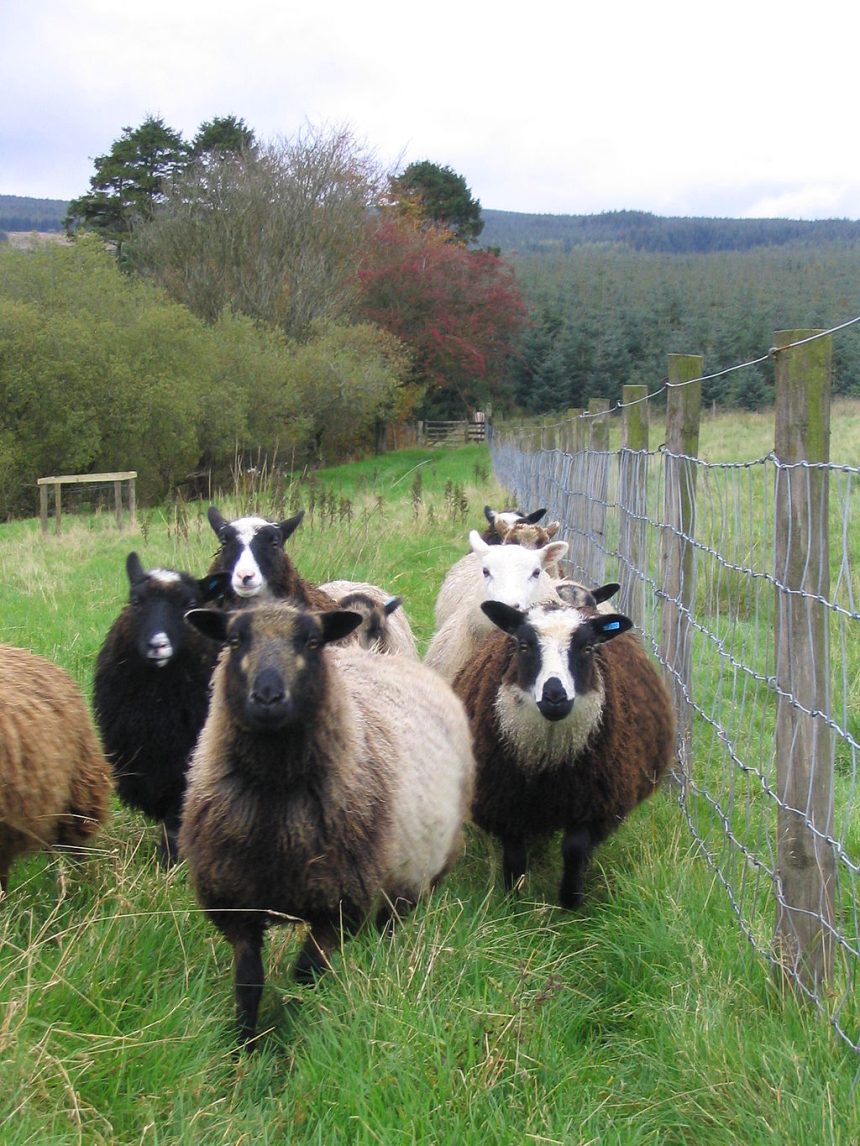
The Shetland is a small, wool-producing breed of Northern European short-tailed sheep. They are classified as a landrace or “unimproved” breed, that originated in the Shetland Isles. The Shetland breed has survived for centuries and are easier to care for than many modern breeds as they retain many of their primitive survival instincts.
Up to the Iron Age, the sheep of the British Isles and other parts of northern and western Europe were small, short-tailed, variable in colour horned and only the males were horned. These sheep were gradually displaced by long-tailed types, leaving them sheep restricted to less accessible areas. Inbetween 1795-1965 the number of Shetland sheep declined until eventually they were confined to Shetland. By 1965 only 4% of the sheep recorded for ‘Hill Sheep Subsidy’ were Shetland sheep.
By the time the Rare Breeds Survival Trust was set up in the 1970s, the Shetland had become rare, and it was listed by them as ‘Endangered’
Characteristics
The Shetland is one of the smallest British breeds. Although the ewes are usually polled (hornless) and the rams horned, occasionally horned ewes and polled rams do occur. The Shetland breed is noted for its very fine, soft wool; having only a little on their faces, noses or legs.
Shetlands occur in many different colours and patterns, most of which have particular traditional names.The rams weigh approximately 90 to 125 lb (41 to 57 kg) and ewes about 75 to 100 lb (34 to 45 kg).
Thirty coat patterns and markings are recognised, many of which can occur in combination.They include:
- katmoget (“badger-face”: dark belly and dark shading around nose and eyes, lighter elsewhere)
- gulmoget (“mouflon”, the reverse of katmoget: light belly, dark face with light marks around eyes, dark elsewhere)
- yuglet (generally light with dark “panda” patches around the eyes)
- bleset (dark with white blaze down face)
- smirslet (white marking around the muzzle)
- sokket (with white socks on the legs)
- bersugget (irregular patches of different colours)
- bielset (with a collar of a differing colour).
Wool
Shetlands produce numerous shades of wool colours. Eleven main colours are recognised by the breed association (most including many different shades): light grey, grey, white, Emsket (dusky bluish-grey), Musket (light greyish-brown), Shaela (dark steely-grey), black, fawn, Moorit (reddish brown), Mioget (honey-toned, yellowish-brown), and dark brown.

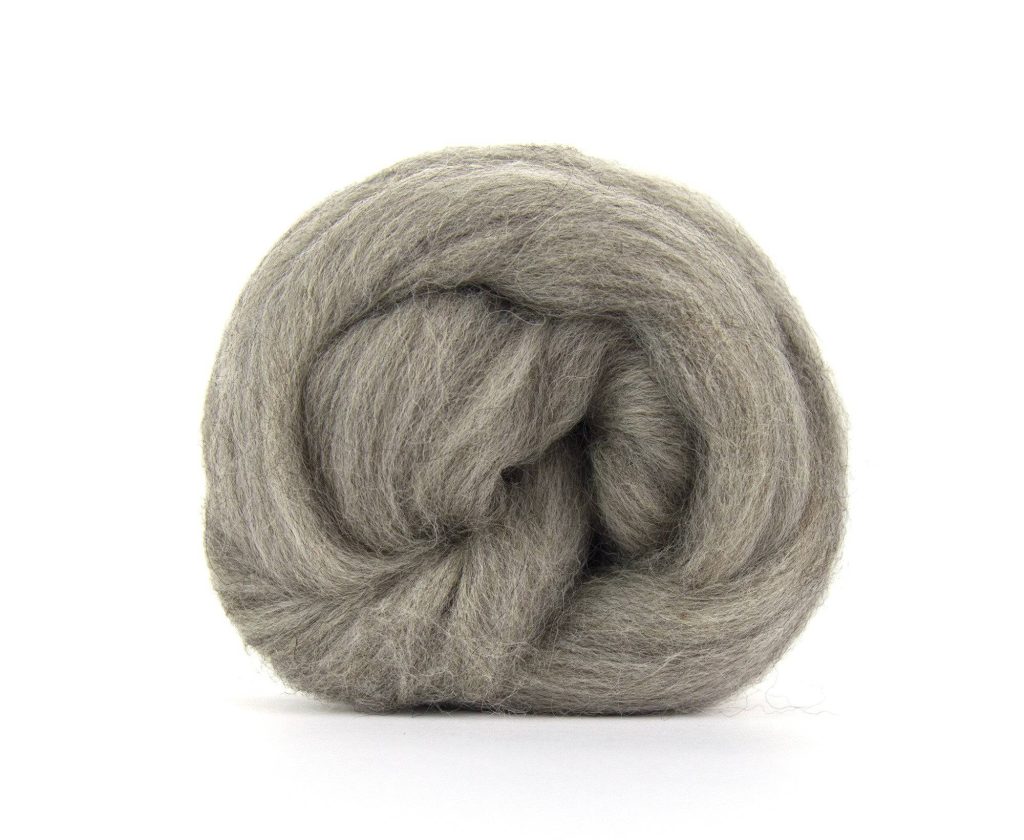
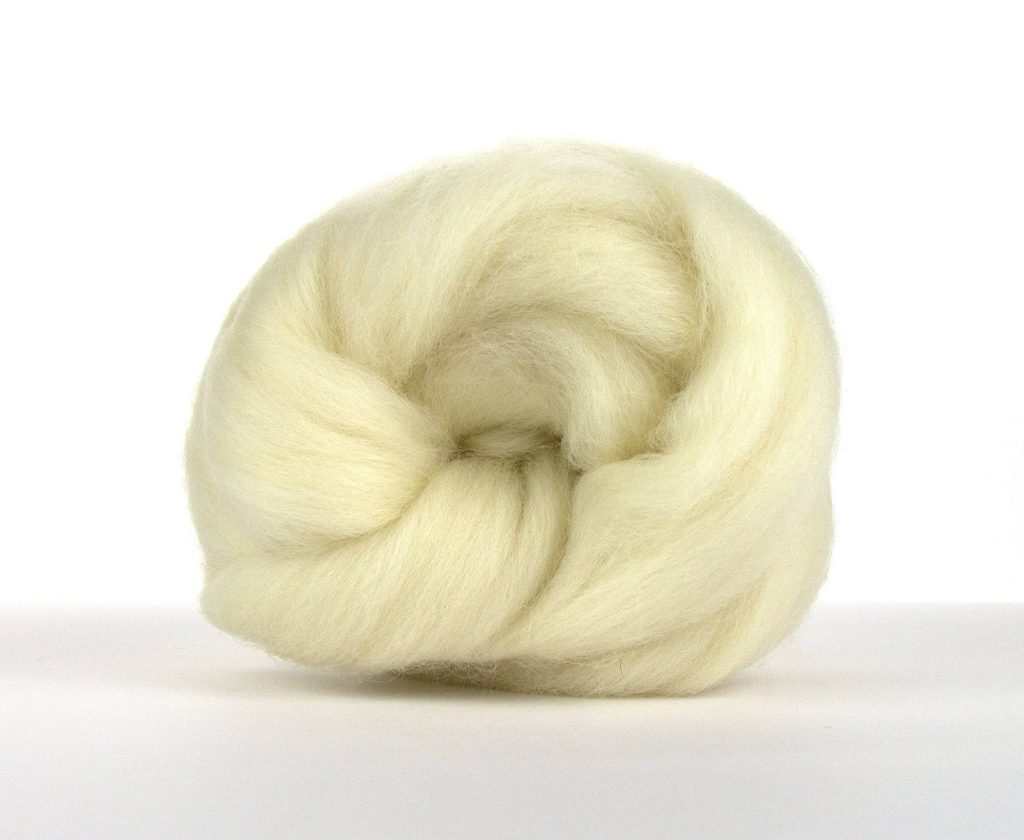
Natural wools are often used undyed; a fine tweed is also produced from Shetland wool. The Shetland Isles are best known for their multi-coloured knitwear (Fair Isle knitting) and for traditional gossamer lace shawls which are so fine, they will pass through a wedding ring.
In November 2011, Shetland wool produced in Shetland gained a protected designation of origin (PDO) classification as “Native Shetland Wool”. It was the first non-food product in the UK to receive this status
Fleeces usually weigh between 2 and 4 lb (0.9 and 1.8 kg). Shetland wool fibres are of a simple construction with a central cortex covered by a thin scaly cuticle.
- Average diameter about 23 microns; but with a range from 10 to 20 microns for neck and shoulder wool to 25 to 35 microns for britch wool.
- Average staple length is 3.5 inches
- Positive correlation between fineness and crimp, with wool of the finest quality being crimped at between 8 and 12 to the inch
Uses
Shetland fleece can be handspun straight from the fleece or made into rolags and then woollen spun. It can also be worsted spun by hand, used on a peg loom or handwoven. It also felts well using either dry or wet methods.
The natural yarn is suitable for Knitting, Crochet, Dyeing & Weaving.